


In the office, we perform radiofrequency turbinate reduction, a quick, safe, and effective procedure. It's minimally invasive with a low risk of complications like bleeding or infection.
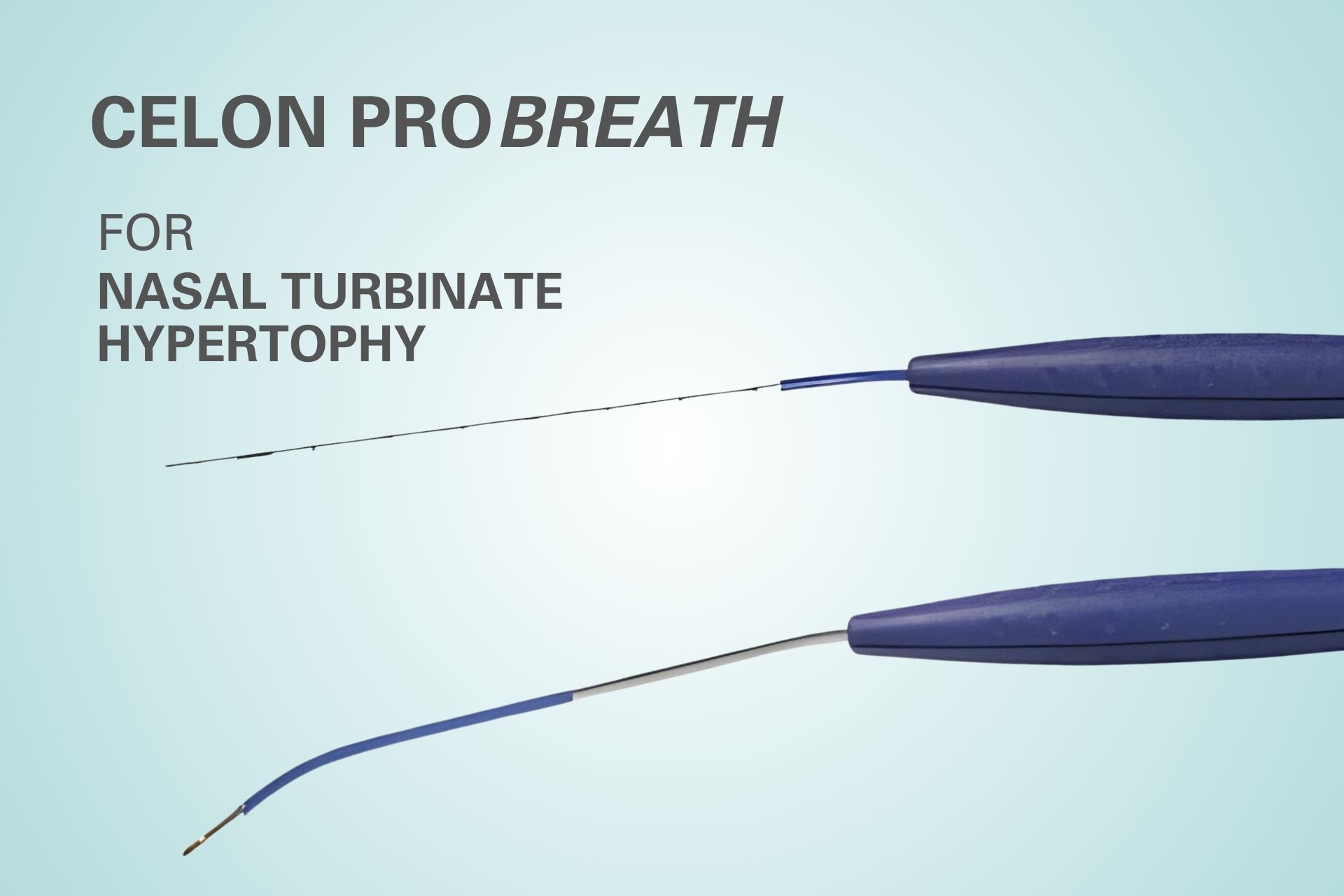
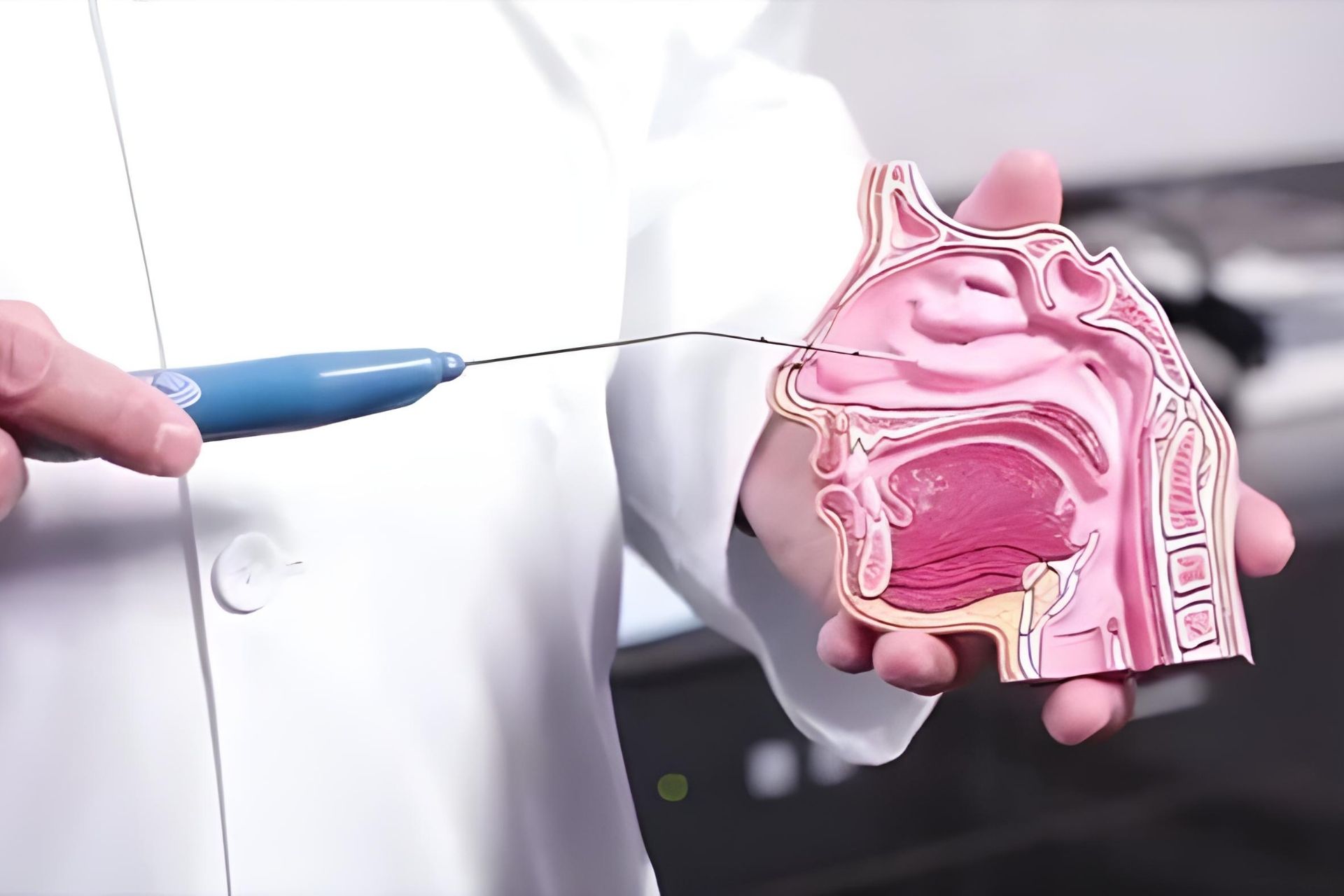
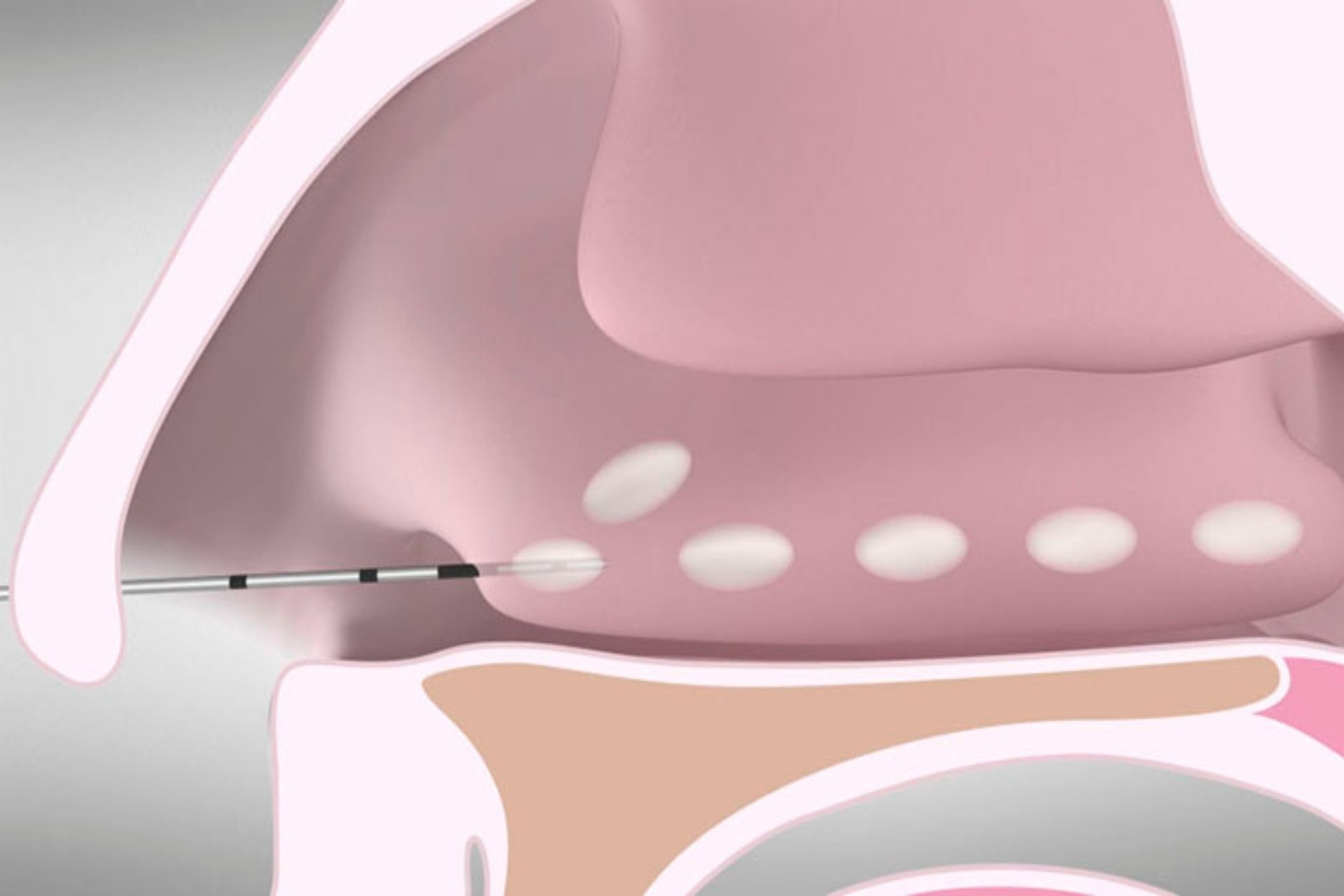
Reducing the size of the inferior turbinate can improve breathing.
A variety of techniques are used in the operating room, often times in conjunction with other nasal procedures to improve nasal breathing (septoplasty, nasal valve repair).
This procedure involves insertion of a needle like device through the front of the inferior turbinate following local anesthesia. Through a series of ablations, the underlying vascular tissues in the inferior turbinate is reduced and replaced with scar. Following a period of healing which may take 4-6 weeks, nasal breathing is improved.
Turbinates are bony and mucosal lined structures that project into the nasal cavity from the sinus wall of the nasal cavity. This ledge of tissue acts to humidify and warm the air breathed through the nose before entering the lungs. To achieve this task, the lining of the turbinates are made of open blood vessel channels that can quickly swell to filter the air.
The tissue along the turbinates are sensitive to temperatures, pollens, air irritants, fumes, and even to certain foods you eat. When they swell excessively and for a long period of time, this may cause nasal congestion.
This type of congestion typically responds well to saline and medicated nasal sprays. However, long term use of certain types of nasal sprays such as oxymetazoline and neosynephrine may cause a rebound effect and worsen nasal congestion if used long term.
The inferior turbinate is the largest turbinate in the nose (inferior, middle, superior). It also most affects airflow as the majority of the air passes along the lower aspect of the nasal cavity. Reducing the size of the inferior turbinate can thus improve one’s nasal breathing.
Inferior turbinate reduction involves the removal of excess tissue and bone from the inside of the turbinate. The outer lining is preserved as it has an important function in humidifying and filtering the air we breathe.
This procedure is typically recommended for individuals who experience persistent nasal blockage that does not respond to medical treatments such as nasal sprays, antihistamines, or corticosteroids. Common symptoms that might lead a doctor to recommend inferior turbinate reduction include:
- Chronic nasal congestion or obstruction
- Frequent nosebleeds
- Recurring sinus infections
- Snoring and sleep disturbances
Inferior turbinate reduction can be performed using several techniques, depending on the severity of the obstruction and the specific needs of the patient. We use radiofrequency because it’s minimally invasive, safe, and effective.
- Surgical Turbinectomy: Part of the turbinate is removed to decrease its size and open up the nasal passage.
- Turbinoplasty: The bone within the turbinate is reshaped to reduce its overall volume without removing significant tissue.
- Radiofrequency Reduction: Radiofrequency energy is used to scar the turbinate tissue, causing it to shrink over time.
- Cryosurgery: This method uses extreme cold to reduce turbinate size by destroying tissue.
Undergoing an inferior turbinate reduction can offer significant relief from nasal symptoms and improve overall quality of life. Benefits include:
- Improved nasal breathing
- Reduction in nasal congestion and stuffiness
- Better sleep quality due to decreased snoring and sleep apnea symptoms
- Decreased frequency of sinus infections
Get Sinus Relief
Enhance breathing, reduce nasal congestion, and improve overall nasal function.
Are you suffering from chronic nasal blockage where conservative treatments have failed? For lasting relief and a personalized treatment plan, book your consultation with the sinus specialists at Clear Lake Medical Center ENT today. Improve your quality of life and take the first step towards feeling better - Contact us now to schedule your visit!